
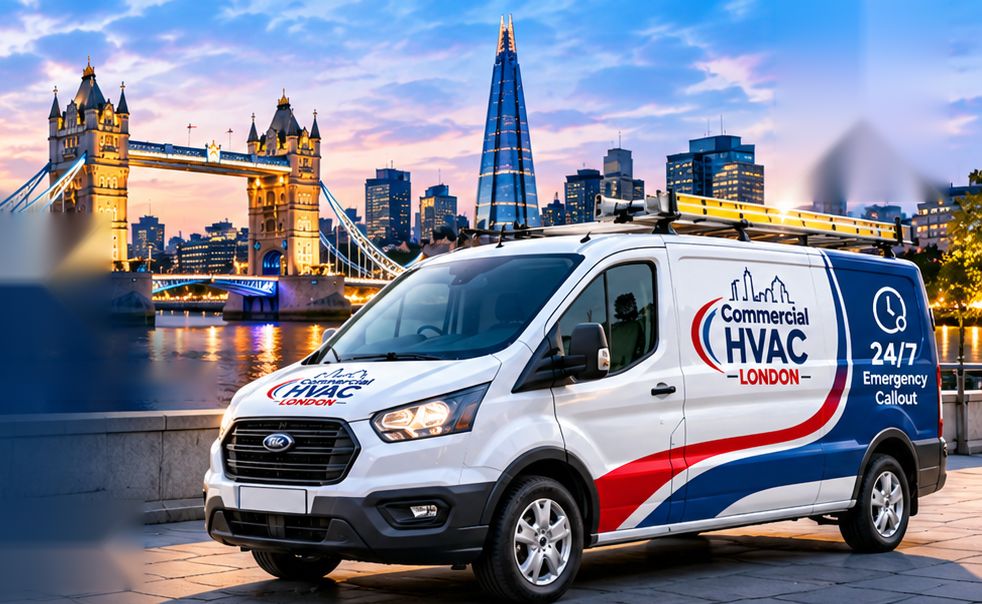
In short
For an urgent commercial HVAC fault in London, call our 24/7 contact line on 020 7998 9005. Tell us the site, the equipment affected and the risk to people, equipment or operations. We assess the call, give you safe interim steps, and arrange engineer attendance where possible. Attendance times depend on location, engineer availability and site access.
What emergency HVAC support involves
When you call, we take the details of the site, the equipment and the risk. We then:
- help you make the situation safe and protect people, equipment and stock
- suggest practical interim measures, such as isolating a leaking unit or moving critical equipment
- arrange engineer attendance where possible, confirming expected timing and charges on the call
- diagnose and, where possible, repair the fault, or make it safe and plan a follow-up repair
Danger to life comes first. If there is a fire, smoke, an electrical hazard or a risk to anyone’s safety, call 999. For a suspected gas leak, call the National Gas Emergency Service on 0800 111 999.
When to call the 24/7 line
Call rather than using the online form when:
- a server room, comms room or other critical space has lost cooling
- ventilation has failed in an occupied building, kitchen or plant area
- water is leaking from HVAC equipment onto electrics, stock or occupied areas
- you suspect a refrigerant leak, such as hissing, oily residue or a sudden loss of cooling
- heating or cooling failure is making the building unusable
For non-urgent faults, use the repair service or the form below.
Equipment covered
Air conditioning (VRF/VRV, split and cassette systems), air handling units, fan coil units, chillers, heat pumps, ventilation and extract fans, and HVAC controls and BMS points.
Our process
- Call 020 7998 9005. Give the site postcode, the equipment, what has happened and any fault codes.
- Triage. We assess urgency and risk with you and give interim safety advice.
- Attendance. Where we can attend, we confirm expected timing and charges. Timing depends on location, availability and access.
- Make safe and diagnose. The engineer makes the plant safe and finds the cause.
- Repair or follow-up. Simple faults may be fixed on the visit; others are made safe and a repair is planned.
- Report. You receive a record of the fault, the work done and recommendations.
Typical applications
Server-room cooling failures in offices, guest-room and kitchen ventilation failures in hotels, failed cooling in retail units during trading hours, and plant failures in healthcare and education buildings.
Maintenance considerations
Many emergencies are preventable. Blocked condensate drains, clogged filters and neglected refrigerant leaks are common causes. Critical spaces benefit from resilience measures such as standby units, high-temperature alarms and a planned maintenance programme.
Compliance and safety
Employers must maintain a reasonable working temperature and adequate ventilation under the Workplace (Health, Safety and Welfare) Regulations 1992. In an emergency this may mean temporary measures, adjusting working arrangements or limiting occupancy until the fault is resolved. Refrigerant leaks must be repaired and checked by F-gas certified engineers.
Coverage across London
Our 24/7 contact line takes calls for commercial premises across London and Greater London. Whether an engineer can attend, and when, depends on location, availability and access. See areas we cover.
Emergency HVAC Support: frequently asked questions
Is your phone line really available 24 hours a day?
Yes. Our contact line, 020 7998 9005, is available 24 hours a day, 7 days a week for commercial HVAC enquiries. Engineer attendance outside normal hours depends on location, availability and access to site, and is confirmed on the call.
How quickly can an engineer attend?
We do not publish a fixed response time because attendance depends on where the site is, engineer availability, traffic and access arrangements. When you call, we tell you what we can arrange. Contracted response times can be agreed in a maintenance contract.
What counts as an HVAC emergency?
Typical urgent situations include loss of cooling to server or comms rooms, complete ventilation failure in an occupied building, water leaking from HVAC equipment onto electrics or stock, suspected refrigerant leaks, and plant failures that make a building unusable.
What should I do while waiting for an engineer?
Keep people safe, isolate the affected unit only if it is safe to do so, protect equipment and stock from water, use temporary measures such as portable cooling for critical rooms where available, and note any fault codes. Our HVAC breakdown guide has a fuller checklist.
What should I do if I smell gas or see smoke?
Leave the area and call 999 if there is a fire or risk to life. For a suspected gas leak, call the National Gas Emergency Service on 0800 111 999. Contact us once the immediate danger has been dealt with.
Do emergency call-outs cost more?
Out-of-hours attendance is usually charged at different rates from planned work. We explain the charges on the call before arranging attendance.
UK guidance and references
Primary and industry sources relevant to this subject. Always check the current edition and how it applies to your building.
- Workplace temperatures Health and Safety Executive
- Ventilation in the workplace Health and Safety Executive
- What to do if you smell gas SGN